Stem cells, explained in plain language
What stem cells are, what mesenchymal stromal cells do inside the body, and how our medical team in Istanbul builds a treatment plan around them.
Editorial illustration of cell biology. It does not depict a procedure or a treatment outcome.
Understanding the science
Four things worth knowing before your case review
Most questions about stem cell therapy come down to four things: which cells are used, where they come from, what they are studied to do inside the body, and how a course of treatment is planned around you. This guide answers them in that order.
We are the clinic providing the treatment, so these pages describe our own regenerative medicine programme. The cells we work with come from Wharton's jelly, the gelatinous tissue inside a donated umbilical cord, and we can tell you exactly why that source was chosen, what is documented about the batch prepared for you, and how our medical team reviews a case before anything is proposed.
What a stem cell is, in plain words
A stem cell is a cell that has not yet settled into a fixed job. Two properties define it. It can divide to produce more cells like itself, and under the right biological conditions it can develop into a more specialised cell type. Scientists call these self-renewal and differentiation.
Those two words describe a family, not a single product. The blood-forming stem cells used in bone marrow transplantation are a different family from the mesenchymal stromal cells used in regenerative medicine. Our programme works with MSCs, and specifically with Wharton's jelly MSCs, and the guides on this page explain what that means for your treatment.
- A stem cell can divide to make more cells like itself, which biologists call self-renewal
- Given the right conditions, it can also develop into a more specialised cell type, known as differentiation
- Stem cell is a family name: different families behave differently and are used for different purposes
- The cells used in regenerative medicine are mesenchymal stromal cells, usually shortened to MSCs
Stem cells and exosomes are different.
One is a living cell. The other is a cell-derived messenger. The difference shapes how each is sourced, how it is given, and which one our medical team may propose for your case.
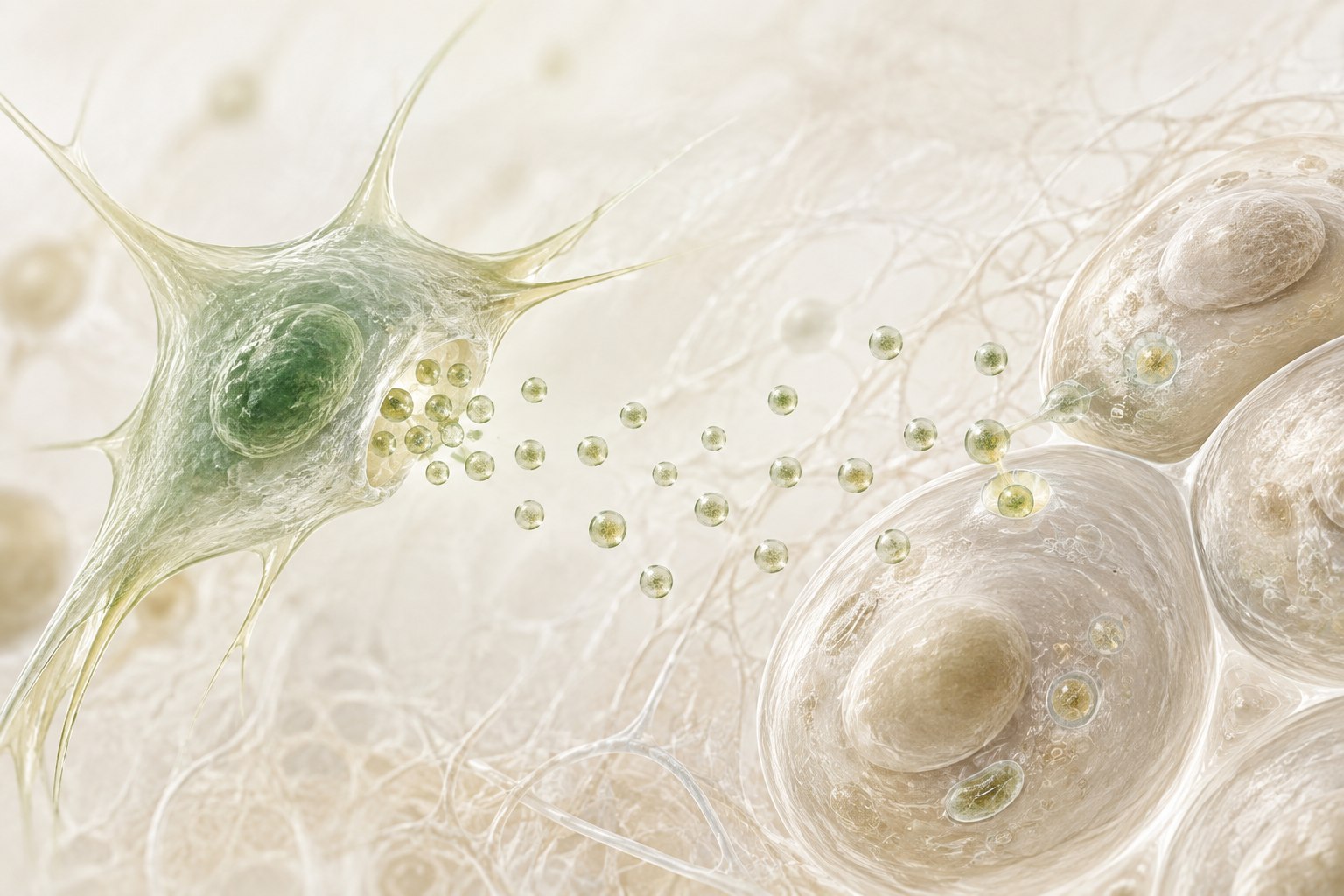
- 01 / SOURCE
Living source cells
Mesenchymal stromal cells are living cells. Their behavior depends on source, handling, dose, and biological context.
- 02 / SIGNAL
Released signals
Cells release soluble factors and extracellular vesicles. Exosomes are one subset of these small vesicles.
- 03 / RESPONSE
Local cell response
Nearby cells may respond to those signals. That biological rationale is where treatment planning starts, not a promise of a result.
What mesenchymal stromal cells are studied for
MSCs are studied less for what they become and more for what they communicate. They release cytokines, growth factors and small membrane-bound particles that influence the cells around them. That short-range conversation is called paracrine and cytokine signalling, and it is the biological rationale behind most regenerative medicine research.
Researchers follow several strands of that conversation: helping influence how the immune system and inflammatory response behave, known as immunomodulation; modulating the inflammatory pathways involved in chronic conditions; supporting the growth of small blood vessels, called angiogenic signalling; interacting with the extracellular matrix that surrounds cells; supporting the tissue in its own local repair processes; and, in nerve-related research, the support of nerve cells known as neurotrophic signalling.
This is why the accurate description of MSC therapy is a treatment aimed at the environment around the tissue. The research describes cells that signal and interact, not cells that travel to an injury and become replacement tissue.
- Signals released to neighbouring cells, a process called paracrine signalling
- Influence on how the immune system and inflammatory response behave, known as immunomodulation
- Growth factors and blood-vessel signals that act on the surrounding tissue environment
- Interaction with the scaffolding that holds cells in place, called the extracellular matrix
How a stem cell treatment is planned at our Istanbul clinic
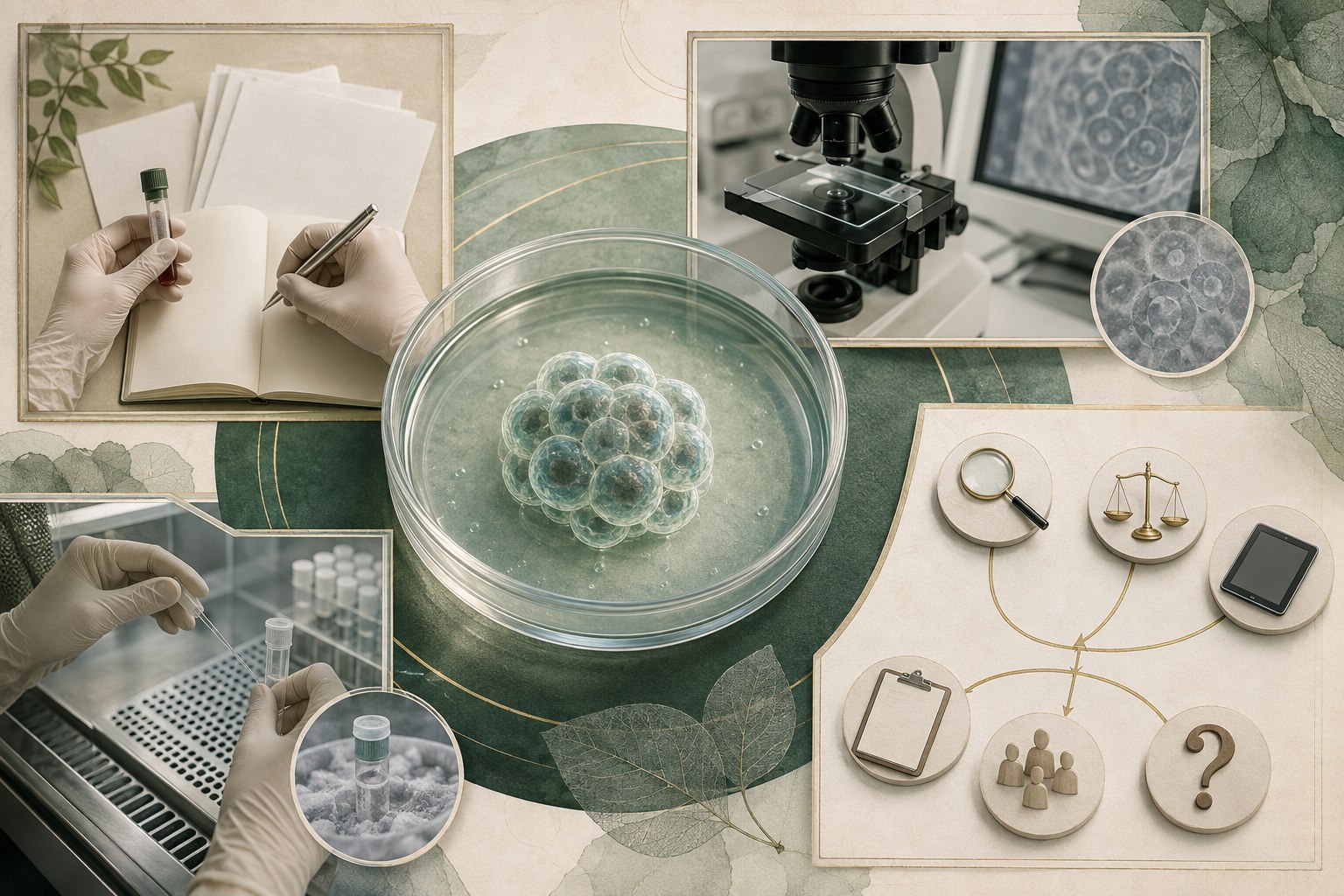
Every plan begins with records rather than a package. Our medical team reviews your diagnosis, imaging, medications and goals, then explains which options may fit your case and which would not. Where we do not believe treatment is appropriate, we say so and explain why.
Regenerative medicine treatments are planned individually. Responses vary and no clinical outcome can be guaranteed. Suitability is confirmed only after medical review, and treatment is planned alongside the care you already receive at home.
- Your confirmed diagnosis, imaging, laboratory results, medicines and treatment history
- A medical review of whether regenerative medicine fits your case, and which goals could be set
- The cell source, preparation, dose and route chosen for you, explained in writing
- Your treatment days in Istanbul, and the follow-up that continues after you travel home

Istanbul, Turkey
Editorial view from Istanbul's Asian shore. It does not depict a treatment facility.
Your review begins before your journey
Records first, travel second. Our patient coordination team arranges your visit to Istanbul once your treatment plan has been agreed with our medical team.
Stem cell questions patients ask us
What are stem cells?
Stem cells are cells that can make more of themselves and, under the right biological conditions, develop into more specialised cell types. The cells used in regenerative medicine are usually mesenchymal stromal cells, which are studied mainly for the biological signals they release to the cells around them.
What does MSC stand for?
MSC stands for mesenchymal stromal cell. Many people still say mesenchymal stem cell, and both names describe the same family of cells. Our MSC therapy guide explains what they are and how our medical team uses them in a treatment plan.
Are stem cells and exosomes the same thing?
No. Stem cells are living cells. Exosomes are tiny particles released by cells that carry proteins, lipids and RNA as biological messages. Our stem cells and exosomes comparison sets the two side by side.
Which stem cells does your clinic work with?
Mesenchymal stromal cells from Wharton's jelly, the gelatinous tissue inside a donated umbilical cord. It is a young perinatal source, collected after a healthy birth from tissue that would otherwise be discarded. Our medical team explains the preparation, dose and route chosen for your plan, and can take you through the documentation for the batch used.
How do I find out whether stem cell therapy may suit me?
Send your confirmed diagnosis, recent imaging, test results and current medicines. Our medical team reviews them and replies with an assessment of suitability, the goals that could realistically be set, and what treatment in Istanbul would involve.
Keep researching
Continue through the science guides
Treatment
Stem Cell Therapy
Learn more→
Treatment
Umbilical Cord MSC Therapy
Learn more→
Treatment
Intravenous Stem Cell Therapy
Learn more→
Learn
Umbilical Cord Stem Cells
Continue through the stem cell science guides.
Learn more→
Learn
MSC Therapy
Continue through the stem cell science guides.
Learn more→
Learn
How Stem Cells Work
Continue through the stem cell science guides.
Learn more→
Learn
Safety and Process
Continue through the stem cell science guides.
Learn more→
Exosomes
Stem Cells vs Exosomes
Learn more→
Exosomes
How Exosomes Work
Learn more→

International patient support
Find out whether stem cell therapy may suit your case.
Send your diagnosis, recent imaging and current medication. Our medical team reviews your records and explains which regenerative medicine options may fit, what the goals would be, and what treatment in Istanbul involves.
Nothing needs to be booked to begin. Our patient coordination team plans your visit to Istanbul once your treatment plan is agreed.