Intrathecal Stem Cell Therapy in Istanbul
Direct cerebrospinal fluid delivery of UC-MSCs for MS, ALS, spinal cord injury, cerebral palsy and other CNS conditions — performed by experienced specialists in a sterile, image-guided setting.
Treatment Overview
Understanding Intrathecal Stem Cell Therapy
This page is designed to help patients understand what intrathecal stem cell therapy is, how it is typically discussed in regenerative medicine, and which kinds of cases often lead people to explore it further. The goal is not to make exaggerated promises, but to create a clearer and more useful starting point before a real case review.
Overview
What Is Intrathecal Stem Cell Therapy?
Intrathecal stem cell therapy delivers UC-MSCs via lumbar puncture into the cerebrospinal fluid (CSF) — the natural medium of the brain and spinal cord. This route bypasses the blood-brain barrier that limits systemic IV delivery in many neurological cases.
It is selected for many central nervous system conditions where systemic IV alone may be insufficient — including multiple sclerosis, ALS, spinal cord injury, cerebral palsy, traumatic brain injury, and selected autism spectrum cases reviewed by a specialist.
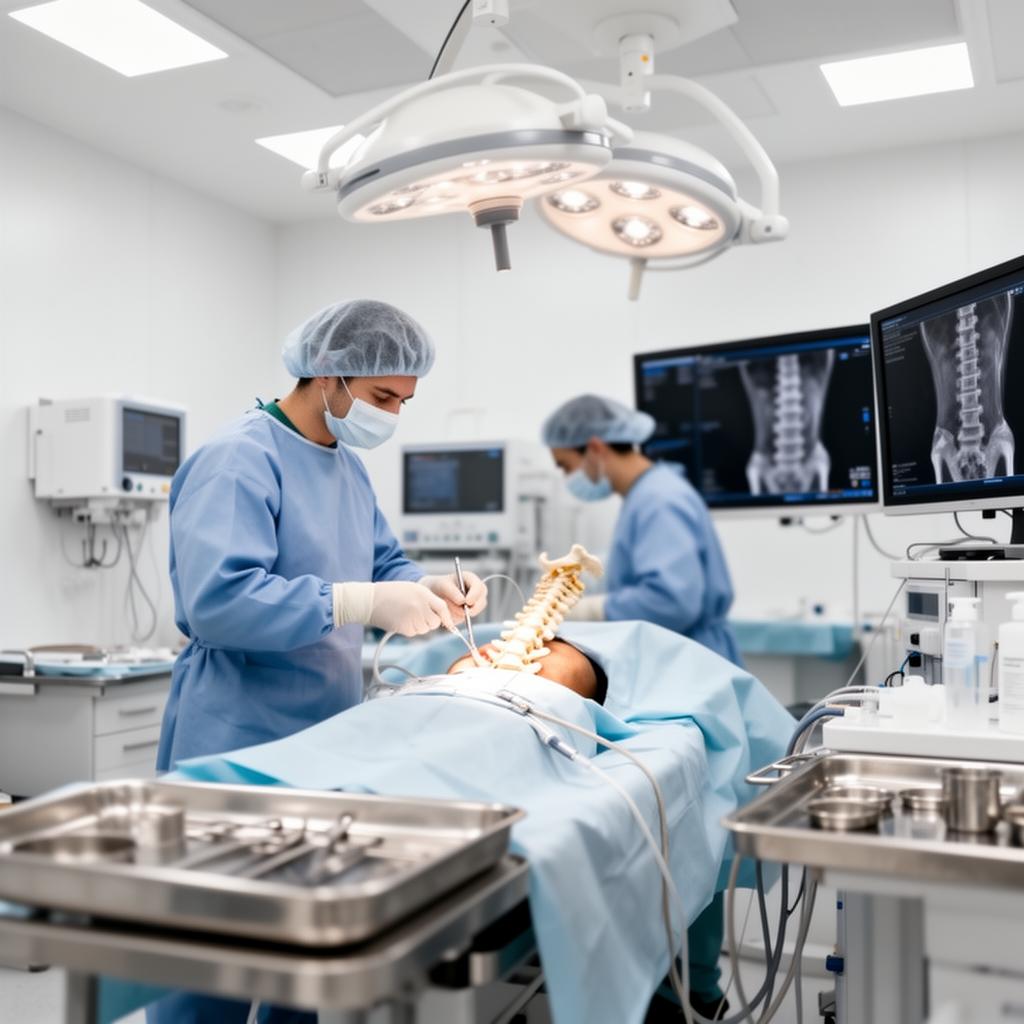
At our Istanbul clinic, the procedure is performed by experienced neurology and anesthesiology specialists in a sterile procedure suite, using fluoroscopic or ultrasound guidance when indicated for maximum precision and patient safety.
How It Works
The Science, Clearly Explained
The discussion around intrathecal stem cell therapy is grounded in regenerative medicine, biological signaling, and case-specific treatment planning. The exact relevance of this pathway depends on the diagnosis, the treatment goals, the route of administration, and the broader clinical picture.
- Direct CSF delivery bypasses the blood-brain barrier
- Cells reach CNS tissue more efficiently than via IV alone
- Performed by experienced specialists under sterile, image-guided conditions
- Often combined with IV infusion for layered systemic + central nervous system effect
- Local anesthetic minimizes patient discomfort during the procedure
Candidacy
Who Commonly Explores This Treatment?
Good candidacy assessment is always case-specific. The most useful next step is usually to review diagnosis, medical history, reports, imaging, current medications, and treatment goals before deciding whether this pathway makes sense to explore further.
- Multiple Sclerosis (MS), ALS, and spinal cord injury
- Cerebral palsy, traumatic brain injury (TBI), and post-stroke recovery candidates
- Selected Autism Spectrum Disorder cases (after specialist neurological review)
- Other central nervous system-focused indications after detailed evaluation
Realistic Outcomes
What Patients Often Hope to Improve
Regenerative medicine should be discussed honestly. Outcomes vary from patient to patient, and no ethical treatment conversation should promise guaranteed results. What matters most is whether this pathway is relevant to the case and whether expectations are being set clearly from the start.
- May improve neurological symptoms in selected, well-evaluated cases
- Outcomes are individual and supportive — never guaranteed
- Often combined with intensive rehabilitation when applicable
- Long-term follow-up at 6 and 12 months is essential to track real change
Your Path
The Patient Journey
A structured path from first contact to treatment planning and follow-up.
- Step01
Free Case Review
Send your diagnosis, recent reports, imaging, and current medications. Our Istanbul medical team replies within one business day with a clear, personalized assessment — no obligation.
- Step02
Personalized Protocol
If you are a candidate, our specialists design your treatment plan: cell or therapy type, dose, route of administration, schedule, and supportive care — built around your case, not a template.
- Step03
Arrival & Welcome
We arrange your airport pickup, premium accommodation near the clinic, and a calm pre-treatment consultation. Most international patients arrive one day before treatment so they can rest, settle in, and meet the medical team.
- Step04
Treatment in Istanbul
Your treatment is delivered in 1–2 focused days at our Istanbul clinic, with full medical monitoring, English / Arabic / Russian translator support, and a clear daily schedule so you always know what to expect.
- Step05
Long-Term Follow-Up
After you return home, we track your progress remotely at 1, 3, 6, and 12 months — adjusting supportive guidance as your body responds and staying available whenever you have a question.
FAQ
Intrathecal Stem Cell Therapy — Frequently Asked Questions
Is intrathecal injection painful?
Local anesthetic minimizes discomfort. Most patients describe brief pressure but not pain during the procedure.
Which CNS conditions is intrathecal stem cell therapy used for?
It is most often discussed for multiple sclerosis (MS), ALS, spinal cord injury, cerebral palsy, traumatic brain injury, post-stroke recovery, and selected autism spectrum cases — always after detailed specialist neurological review.
Why is direct CSF delivery preferred for some neurological cases?
Intrathecal injection places UC-MSCs directly into the cerebrospinal fluid, bypassing the blood-brain barrier that limits how much reaches the CNS via IV alone. For many central nervous system conditions, this gives cells far closer access to brain and spinal cord tissue.
What are the risks of intrathecal stem cell therapy?
Mild post-procedure headache is the most common side effect — usually resolved with rest and hydration. Serious complications are rare in experienced hands.
Can intrathecal therapy be combined with IV stem cells?
Yes — combined IV + intrathecal protocols are common at our Istanbul clinic for layered systemic plus CNS effect.
Who performs the procedure in Istanbul?
Experienced neurology and anesthesiology specialists in our sterile procedure suite, using fluoroscopic or ultrasound image guidance when indicated for maximum precision and patient safety.
How do I know if I am a candidate for this treatment in Istanbul?
Candidacy is reviewed case by case. After you send your diagnosis, recent reports, imaging, and current medications, our Istanbul medical team will tell you honestly whether this regenerative pathway is appropriate for you — and what realistic outcomes might look like.
How long do international patients usually stay in Istanbul?
Most international patients stay 3–4 days in Istanbul: one day to arrive and rest, 1–2 focused treatment days at our clinic, and a final day for monitoring before flying home. We help coordinate flights, accommodation near the clinic, and translator support so the trip feels organized and calm.
Is this treatment safe?
Mesenchymal stem cell and exosome therapies have a well-documented safety profile in published clinical literature when performed correctly. At our Istanbul clinic, every protocol uses GMP-aligned cells, sterile technique, and qualified medical specialists with continuous monitoring.
Can this treatment cure my condition?
No ethical clinic can promise a cure. Regenerative medicine is supportive — it aims to modulate inflammation, support tissue repair, and improve quality of life. We focus on transparent expectations and realistic, hopeful outcomes that match your specific case.
How much does this treatment cost in Istanbul?
Pricing is case-specific and depends on the protocol, cell dose, route of administration, and number of sessions. After your free case review, we provide a clear written quote — no hidden fees, no pressure.
What does the international patient program include?
Medical consultation, lab work, the treatment itself, in-clinic monitoring, airport transfers, accommodation guidance, translator support, and structured remote follow-up after you return home.
Related Pages
Pages related to Intrathecal Stem Cell Therapy
Treatment
Stem Cell Therapy
Explore another related regenerative treatment pathway.
Learn more→
Treatment
Umbilical Cord MSC Therapy
Explore another related regenerative treatment pathway.
Learn more→
Treatment
Intravenous Stem Cell Therapy
Explore another related regenerative treatment pathway.
Learn more→
Treatment
Intranasal Stem Cell Therapy
Explore another related regenerative treatment pathway.
Learn more→
Condition
Multiple Sclerosis (MS)
See how this condition is discussed and what patients commonly explore.
Learn more→
Condition
Amyotrophic Lateral Sclerosis (ALS)
See how this condition is discussed and what patients commonly explore.
Learn more→
Condition
Spinal Cord Injury (SCI)
See how this condition is discussed and what patients commonly explore.
Learn more→
Condition
Cerebral Palsy
See how this condition is discussed and what patients commonly explore.
Learn more→
Ready to Explore Intrathecal Stem Cell Therapy?
Send your diagnosis, reports, imaging, and treatment goals for a clearer case review. We will help you understand whether this regenerative medicine pathway in Istanbul is worth exploring further.