
Conditions Discussed With Stem Cell Therapy in Istanbul
Explore the neurological, autoimmune, orthopedic, metabolic, renal, cardiovascular, and chronic conditions most commonly discussed with our team in Istanbul.

Condition Overview
A clearer way to explore regenerative medicine by diagnosis
Many patients begin with their diagnosis, not with the name of a treatment. This page is designed to help you move from condition-based research into more focused treatment and education pages, without losing the bigger picture of your case.
Multiple Sclerosis (MS)
→Explore the condition page and related regenerative medicine pathways.
Autism Spectrum Disorder (ASD)
→Explore the condition page and related regenerative medicine pathways.
Stroke
→Explore the condition page and related regenerative medicine pathways.
Osteoarthritis
→Explore the condition page and related regenerative medicine pathways.
Rheumatoid Arthritis
→Explore the condition page and related regenerative medicine pathways.
Diabetes
→Explore the condition page and related regenerative medicine pathways.
Chronic Kidney Disease (CKD)
→Explore the condition page and related regenerative medicine pathways.
Erectile Dysfunction
→Explore the condition page and related regenerative medicine pathways.

Autoimmune
Autoimmune Conditions
Supportive regenerative medicine pathways often explored for chronic immune dysregulation, inflammation, and autoimmune-related tissue stress.
Cardiovascular
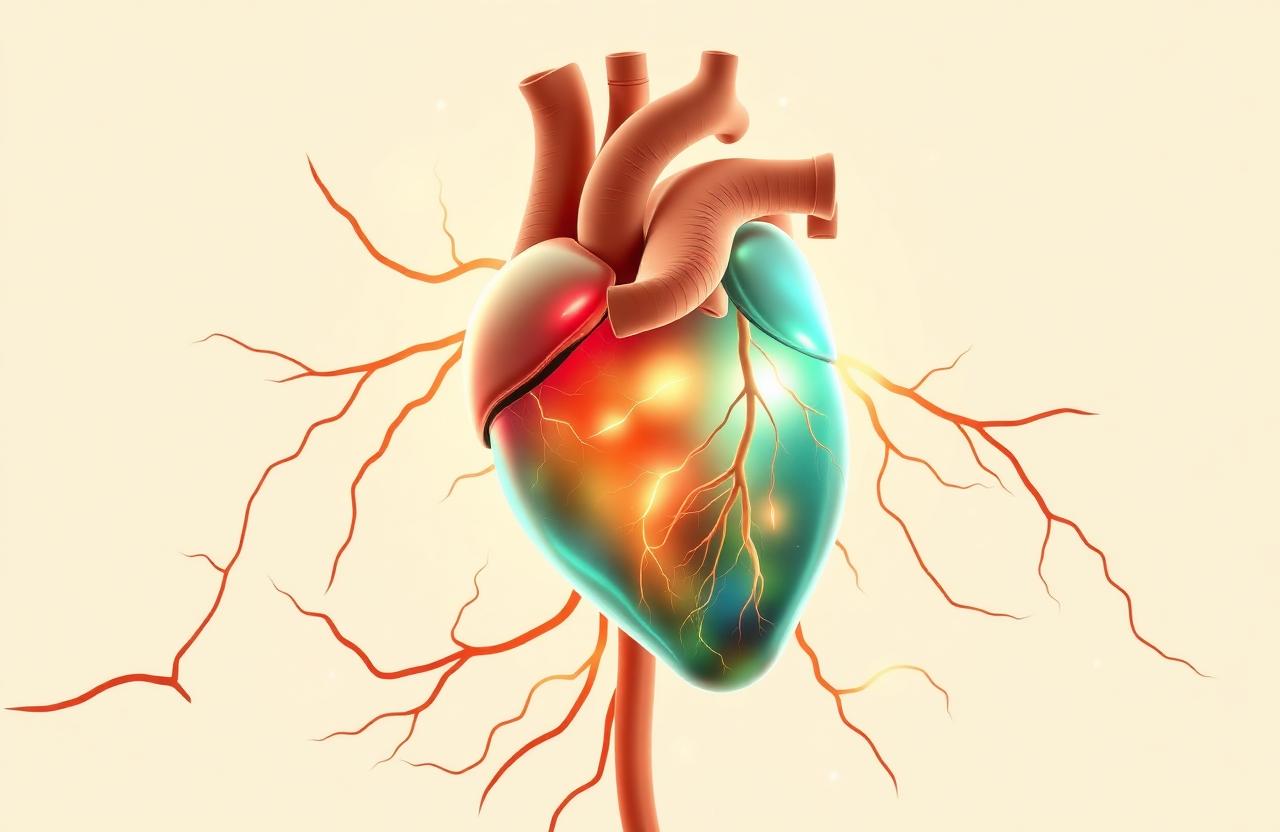
Cardiovascular Conditions
Patients with cardiovascular concerns may explore regenerative medicine as part of a broader discussion around recovery support and function.

Endocrine
Endocrine Conditions
Metabolic and endocrine concerns often lead patients to ask about broader regenerative support and whole-body treatment strategies.

Liver
Liver Conditions
Chronic liver stress and reduced function are among the conditions patients sometimes explore through regenerative medicine discussions.
Musculoskeletal
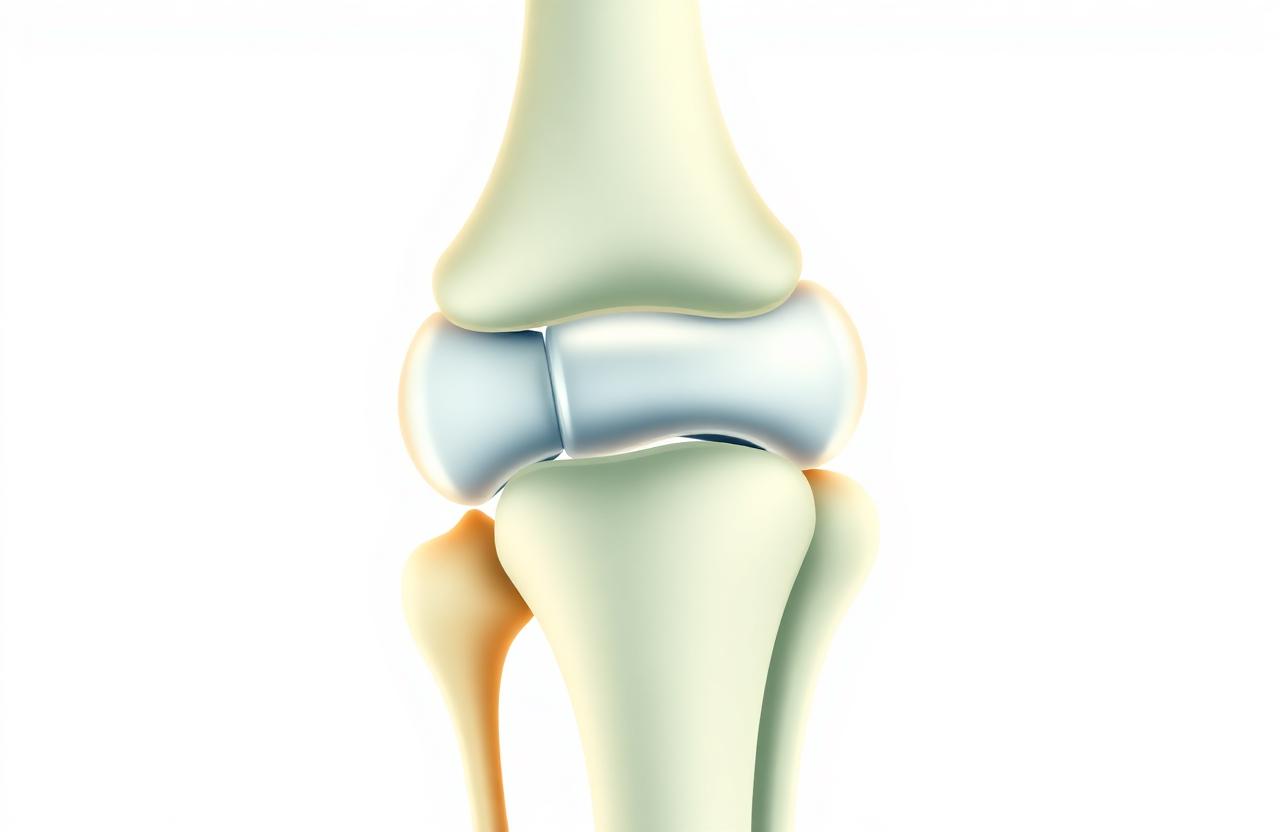
Musculoskeletal Conditions
Joint, tendon, spine, mobility, and pain-related concerns are among the most common reasons patients ask about targeted regenerative approaches.

Neurological
Neurological Conditions
Neurological conditions are a major area of interest, especially when patients are exploring advanced routes such as intravenous or intrathecal treatment.

Other
Other Conditions
Some patients contact us about chronic, quality-of-life, or less neatly categorized concerns that still raise regenerative medicine questions.

Respiratory / Pulmonary
Respiratory / Pulmonary Conditions
Chronic respiratory and pulmonary conditions may lead patients to explore supportive regenerative treatment pathways.

Reproductive
Reproductive Conditions
Some patients ask about reproductive and hormone-related concerns within the context of regenerative medicine and supportive care.

Renal / Kidney
Renal / Kidney Conditions
Chronic kidney-related concerns are another category where patients often seek information about systemic regenerative support.
Related Treatments
Move from diagnosis to treatment pathways
Once you identify the most relevant condition page, the next step is usually to understand the treatment pathways patients most commonly compare. These pages help connect condition-level research with practical treatment options.
Stem Cell Therapy
→Learn how this treatment pathway is typically discussed in regenerative medicine.
Umbilical Cord MSC Therapy
→Learn how this treatment pathway is typically discussed in regenerative medicine.
Exosome Therapy
→Learn how this treatment pathway is typically discussed in regenerative medicine.
Intravenous Stem Cell Therapy
→Learn how this treatment pathway is typically discussed in regenerative medicine.
Intrathecal Stem Cell Therapy
→Learn how this treatment pathway is typically discussed in regenerative medicine.
Targeted Injection Therapy
→Learn how this treatment pathway is typically discussed in regenerative medicine.
Related Education
Understand the science behind the discussion
Educational pages help patients better understand stem cells, exosomes, safety, and treatment process before requesting a direct case review.
Realistic Outcomes
Realistic Expectations Across Conditions
Regenerative medicine is supportive and case-specific, not a guarantee of recovery for any diagnosis. The realistic benefits a patient may experience vary widely depending on the underlying condition, how long it has been present, its severity, the level of inflammation or immune dysregulation involved, the patient's age, current medications, vascular and neurological status, and overall health and recovery capacity. Two patients with the same diagnosis can respond very differently, which is why honest case review matters more than a one-size-fits-all promise about outcomes.
Expected benefits are typically framed as supportive changes rather than fixed results. Patients commonly hope for improvements in symptoms, function, comfort, mobility, energy, or quality-of-life markers relevant to their condition. These hopes are weighed against what the diagnosis, imaging, and history realistically allow. Reviews at 1, 3, 6, and 12 months help build a more accurate picture of progress over time, and adjustments to the plan are sometimes discussed depending on how the patient is responding to the initial sessions and aftercare guidance provided by the clinical team.
International patients in particular benefit from a transparent pre-travel review before booking any treatment. That early conversation usually covers the diagnosis, recent imaging or laboratory reports, current medications, prior interventions, and what a patient is realistically hoping to improve. From there, the most relevant treatment pathway, route of administration, expected length of stay, and aftercare timeline can be outlined honestly, so a patient is not making a long trip without a clear understanding of what is being proposed and why. This transparent framing protects both the patient and the integrity of the treatment plan, and it makes the follow-up phase far more meaningful.
The condition directory on this page exists to help patients find the right starting point for their research. From an individual condition page you can move into related treatment pathways, review FAQs and educational content, and decide whether a regenerative discussion is worth taking further. When you are ready, you can request a free case review with your diagnosis, reports, imaging, and current medications so the response is grounded in your actual clinical picture rather than a generic template.
FAQ
Conditions — Frequently Asked Questions
Which conditions are most commonly discussed with your team?
Patients most often contact us about neurological, autoimmune, musculoskeletal, orthopedic, metabolic, renal, cardiovascular, and chronic inflammatory conditions.
Does having a listed condition mean I am definitely a candidate?
No. A listed condition does not guarantee candidacy. Every case still requires review of diagnosis, medical history, imaging, current medications, and overall clinical context.
Can a treatment plan address more than one condition at the same time?
In some cases, yes. Patients sometimes explore protocols that take multiple concerns into account, especially when there is overlap between systemic inflammation, immune function, neurological issues, or orthopedic limitations.
What should I send for a case review?
The most useful starting package is your diagnosis, recent imaging or reports, current medication list, brief medical history, and a short summary of what you are hoping to improve.
What if my condition is not listed here?
You can still contact us. Some patients have rare diagnoses, overlapping conditions, or complex histories that do not fit neatly into one category page.
Internal Resources
Plan your care: cost, outcomes, Istanbul and every condition
Use these internal links to compare cost and success rates, learn about our Istanbul location, and dive into the condition page most relevant to you.
Cost, Outcomes & Istanbul
- Stem cell therapy in Istanbul, TurkeyWhy patients from the US, UK, Europe and the Gulf travel to our Istanbul clinic for regenerative care.
- How much does stem cell therapy cost in Turkey?Transparent 2025 pricing for UC-MSC protocols in Istanbul and what is included in each package.
- Stem cell therapy success rates explainedWhat current evidence says about response rates by condition, and how we define realistic outcomes.
- Medical tourism in Turkey: a patient guideVisas, flights, accommodation, transfers and aftercare for international stem cell patients.
- Stem cell therapy: Turkey vs MexicoSide-by-side comparison of cost, regulation, cell sourcing and protocol quality.
- What to expect during stem cell treatmentA day-by-day walk-through of the consultation, infusion, recovery and follow-up schedule.
- Introduction to stem cell therapyPlain-language overview of MSCs, exosomes and how regenerative medicine works.
Conditions we treat
- Stem cell therapy for Multiple Sclerosis (MS)
- Stem cell therapy for Parkinson's Disease
- Stem cell therapy for Amyotrophic Lateral Sclerosis (ALS)
- Stem cell therapy for Autism Spectrum Disorder (ASD)
- Stem cell therapy for Rheumatoid Arthritis
- Stem cell therapy for Osteoarthritis
- Stem cell therapy for Diabetes
- Stem cell therapy for Chronic Obstructive Pulmonary Disease (COPD)
- Stem cell therapy for Erectile Dysfunction
- See all conditions we treat →
Treatments & the science
Most international patients begin by reading about our stem cell clinic in Istanbul, Turkey, then review the full cost of stem cell therapy in Turkey and published success rates by condition. From there it helps to compare Turkey vs Mexico for stem cell therapy, understand why we use umbilical cord MSCs, and read what to expect day-by-day during treatment. If you are researching a specific diagnosis, our condition pages — including multiple sclerosis, Parkinson's disease, ALS, autism spectrum disorder, rheumatoid arthritis, and diabetes — explain how UC-MSC protocols are adapted to that diagnosis.
Do not see your condition listed?
Send your diagnosis, reports, imaging, and medication list anyway. We will review your case honestly and let you know whether a regenerative medicine pathway in Istanbul may be worth discussing further.