
Exosome Therapy and Regenerative Cell Signaling
Understand what exosomes are, why they matter in regenerative medicine, and how they are discussed as cell-derived signaling tools in modern treatment planning.
Overview
Why exosomes are one of the most discussed topics in regenerative medicine
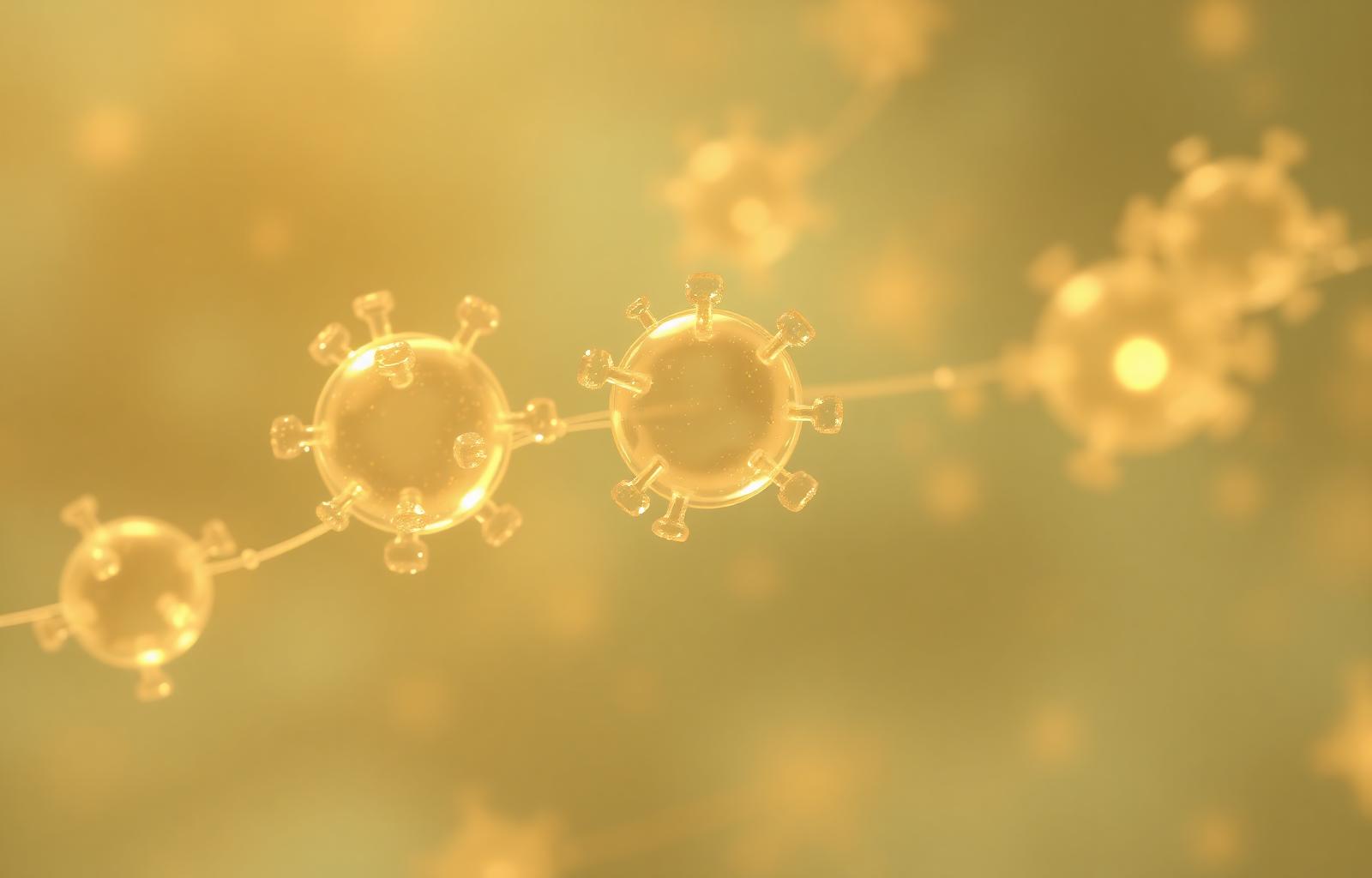
Exosomes are widely discussed because they help explain how cells communicate with one another. They are not living cells themselves. Instead, they are tiny extracellular vesicles released by cells, carrying biological information that may influence the behavior of recipient cells and tissues.
For patients, that makes exosomes especially relevant because they often appear in discussions about signaling, inflammatory balance, tissue support, and broader regenerative communication. This page serves as the main entry point for understanding that conversation more clearly.
How Exosomes Work
→Learn how exosomes are formed, what cargo they carry, and how they interact with target cells.
Stem Cells vs Exosomes
→Compare stem cells and exosomes more clearly and understand how they differ in regenerative medicine.
Exosome FAQ
→Read practical answers to the most common patient questions about exosome therapy.
Exosome Therapy
→Move from education into the treatment page and see how exosome-based protocols are discussed clinically.
What Are Exosomes?
Tiny vesicles carrying biological signals
Exosomes are tiny extracellular vesicles secreted by cells. What makes them important is not just their size, but what they carry. Their contents may include proteins, lipids, and other signaling material involved in biological communication between cells.
This is why exosomes are often described as messenger particles. They are a major part of how regenerative biology is discussed in modern medicine, especially when patients want to understand cell-free approaches.
- Nano-sized extracellular vesicles released by cells
- Carry proteins, lipids, and signaling material
- Play a role in cell-to-cell communication
- Discussed for their ability to influence tissue signaling without transplanting live cells
Why Exosomes Matter
Why patients and clinicians talk about them so often
Exosomes matter because regenerative medicine is not only about cells themselves. It is also about the signals that cells send and receive. Exosomes are central to that conversation because they may influence how tissues respond, how cells communicate, and how repair-oriented biological behavior is coordinated.
This signaling role is the main reason exosomes are discussed across neurological, autoimmune, orthopedic, metabolic, and chronic inflammatory treatment conversations.
- They are discussed as cell-free signaling tools
- They may influence inflammatory and immune communication
- They help explain how regenerative messages are transferred between cells
- They are often considered both on their own and alongside stem cell therapy
Why Cell-Free Therapy Gets Attention
The appeal of an exosome-based discussion
Patients are often drawn to exosomes because the discussion is framed around biological signaling rather than around transplanting living cells. That does not make exosomes automatically better or more appropriate for every case, but it does help explain why so many patients compare them with stem cells.
In practice, the more useful question is usually not whether exosomes sound more advanced, but whether an exosome-focused discussion actually fits the diagnosis, treatment goals, and route of administration being considered.
- No live-cell transplantation is involved
- They are often discussed as highly communication-focused biological tools
- They may be easier to explain as signaling-based therapy for some patients
- They are frequently compared with stem cells and sometimes combined with them
How They Fit into Treatment
How exosomes connect to real patient treatment discussions
Exosomes are not just a science topic. They also connect directly to patient treatment discussions. Some patients explore exosome therapy as a main topic, while others encounter it as part of a broader regenerative medicine plan that also includes stem cell therapy.
That is why the most useful path is usually to move from this overview into the deeper education pages, then compare those with the treatment page before deciding whether to request a more personalized review.
- May be discussed as standalone therapy in some cases
- May be combined with stem cell therapy in broader regenerative protocols
- Often connected to intravenous or localized delivery approaches
- Best understood in the context of an individual case review
FAQ
Exosome Therapy Overview — Frequently Asked Questions
Are exosomes the same as stem cells?
No. Exosomes are cell-derived extracellular vesicles, while stem cells are living cells. Exosomes are mainly discussed for their signaling role, while stem cells are discussed more broadly for regenerative potential and cellular communication.
Why are exosomes important in regenerative medicine?
Exosomes attract attention because they are involved in cell-to-cell communication and may influence inflammatory balance, biological signaling, and repair-oriented responses in tissues.
Can exosomes be combined with stem cell therapy?
Yes. Some patients explore protocols that combine exosome therapy with stem cell therapy, depending on the condition, goals, and overall treatment plan.
How are exosomes usually administered?
Exosomes are commonly discussed in connection with intravenous administration or more localized delivery, depending on the protocol and the condition being reviewed.
Are exosomes considered safe?
Safety depends on sourcing, manufacturing standards, administration route, and patient selection. That is why a proper medical review and a structured treatment discussion are important.
Related Pages
Continue exploring exosome science
Treatment
Exosome Therapy
Learn more→
Treatment
Stem Cell Therapy
Learn more→
Learn
MSC Therapy
Learn more→
Learn
How Stem Cells Work
Learn more→
Exosomes
How Exosomes Work
Continue learning about exosome therapy and regenerative signaling.
Learn more→
Exosomes
Stem Cells vs Exosomes
Continue learning about exosome therapy and regenerative signaling.
Learn more→
Exosomes
Exosome FAQ
Continue learning about exosome therapy and regenerative signaling.
Learn more→
Want to know whether exosome therapy is relevant for your case?
Send your diagnosis, reports, imaging, and treatment goals for a clearer case review. We will help you understand whether an exosome-based discussion in Istanbul is worth exploring further.